Sichuan · Region
West Sichuan
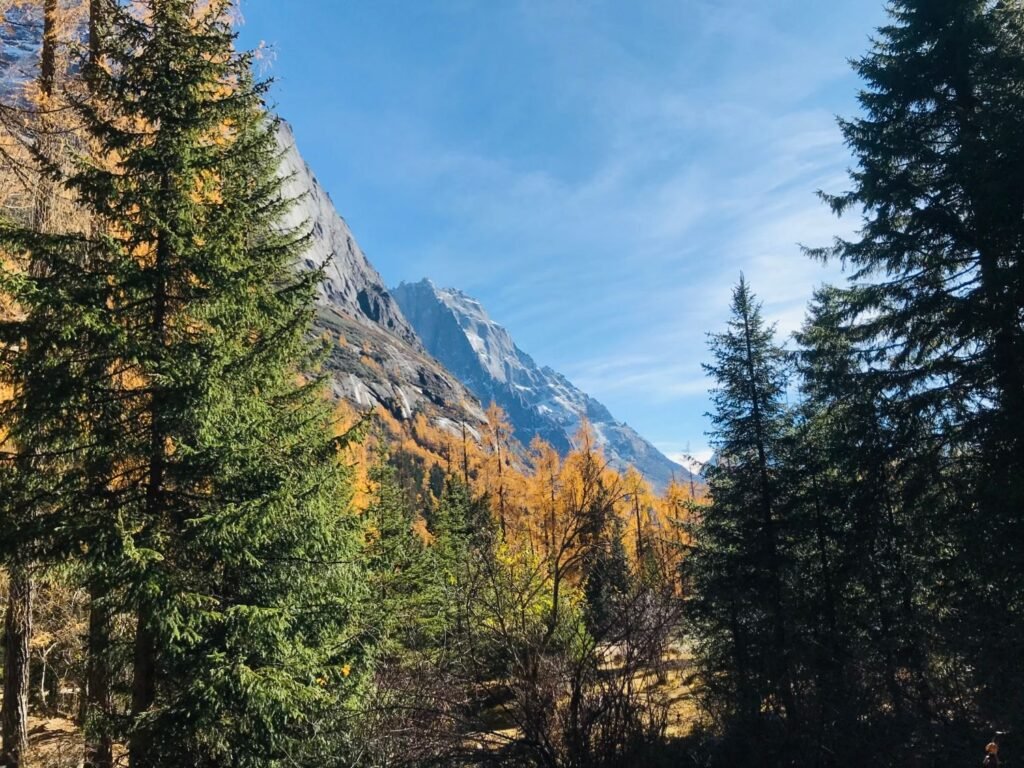
West Sichuan (川西, Chuanxi) is the high western half of Sichuan province, where the Chengdu plain gives way to snow peaks, grassland and Tibetan villages. It is culturally Tibetan, but it is not Tibet, and you don’t need a Tibet permit to go.
- Gateway
- Chengdu
- Altitude
- about 2,000 – 4,700 m (6,560 – 15,420 ft)
- Time to give it
- 5–12 days
- Foreign visitors
- Usually openNo Tibet permit needed. Passports are checked at hotels and road checkpoints, some popular spots turn back solo foreigners, and some areas are closed to foreigners.
- Best months
- JFMAMJJASONDMay–Jun, Sep–Oct
On this page
What is West Sichuan?
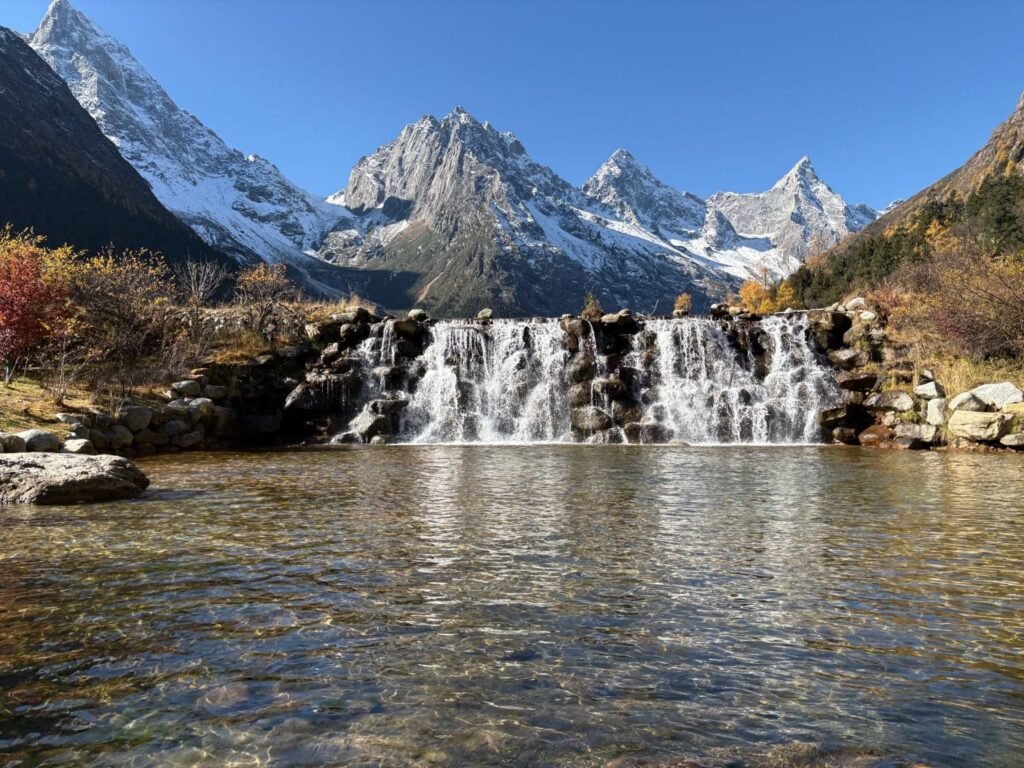
West Sichuan, called Chuanxi (川西) in Chinese, is the mountainous western part of Sichuan province, between the Chengdu plain and the Tibet Autonomous Region. For travelers it means two big prefectures: Garze (Ganzi) and Aba (Ngawa). Together they cover almost half of Sichuan’s land but hold only a small share of its people. This is the eastern edge of the Tibetan plateau: deep river gorges, grassland at 3,500–4,000 m (11,480–13,120 ft), and snow peaks up to Mount Gongga (Minya Konka), at 7,556 m (24,790 ft) the highest mountain in Sichuan.
Is West Sichuan part of Tibet?
No. West Sichuan is in Sichuan province, not in the Tibet Autonomous Region (TAR), the region that includes Lhasa and Everest. The confusion is easy, because West Sichuan is culturally Tibetan: you will see monasteries, prayer flags on every pass and Tibetan villages, and the prefectures are officially Tibetan autonomous prefectures. Garze is part of the historic Tibetan region of Kham, while Aba includes Amdo in the north and the Gyalrong valleys around Danba and Siguniang, plus Qiang villages in the east. For travelers the difference matters: West Sichuan needs no Tibet Travel Permit, while the TAR does. Our guide to Tibetan areas you can visit without a Tibet permit compares West Sichuan with Yunnan, Qinghai and Gansu.
Names for West Sichuan you will see
| Name | What it means |
|---|---|
| Chuanxi (川西) | “West Sichuan”, the name Chinese travelers use for the whole area |
| Western Sichuan | The same area in English |
| Garze, Ganzi, Garzê (甘孜) | The larger, south-western prefecture: Kangding, Tagong, Litang, Daocheng Yading |
| Aba, Ngawa (阿坝) | The northern prefecture: Siguniang, Bipenggou, and in the far north Jiuzhaigou and Huanglong |
| Kham | The traditional Tibetan name for the region that includes Garze |
The main areas of West Sichuan
- Siguniang and southern Aba: the closest high mountains to Chengdu, two to four hours away. Siguniang Mountain, Bipenggou and Dagu Glacier are here.
- Kangding and Mount Gongga: Kangding, at about 2,500 m (8,200 ft), is the gateway to Garze. Hailuogou glacier and Mugecuo lake are close by.
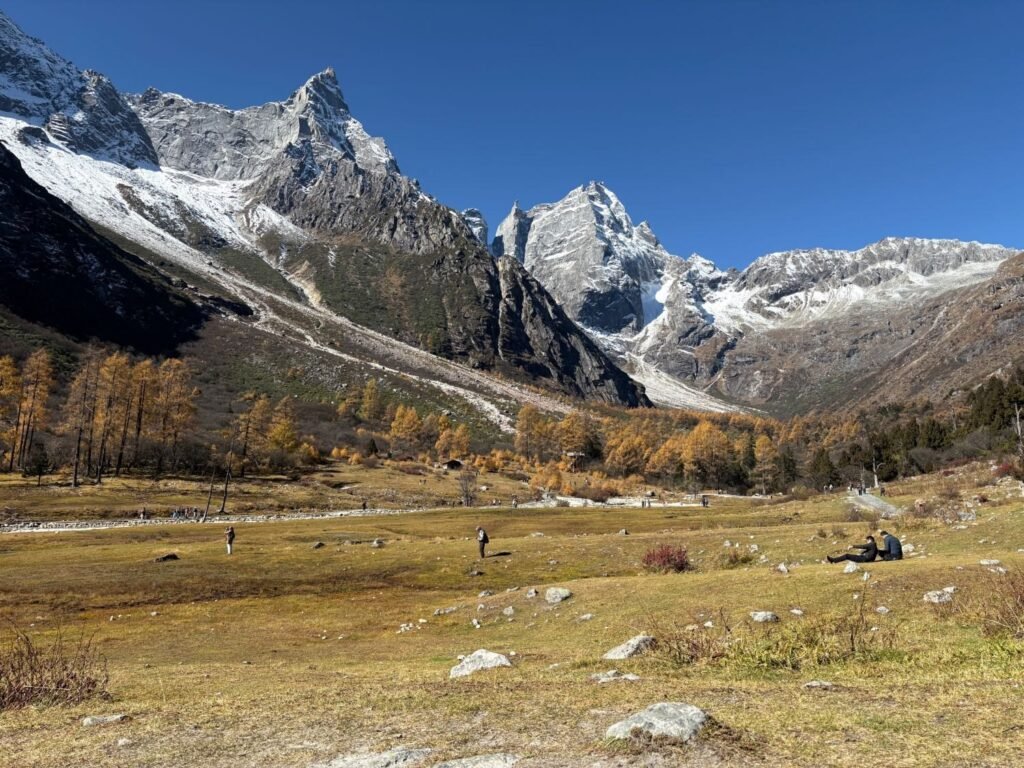
- The grasslands west of Kangding: Tagong, Xinduqiao and Moshi Park, over the 4,300 m (14,110 ft) Zheduo Pass. This is the scenery many people picture when they think of Tibet.
- Danba: a low, warm valley (about 1,900 m (6,230 ft)) with stone Gyalrong Tibetan villages and watchtowers, between Siguniang and the grasslands.
- Litang and Daocheng Yading: the far south of Garze, high and remote. Yading has three sacred snow peaks and some of the best high-altitude walking in China.
Jiuzhaigou and Huanglong are also in Aba, and some tours sell them as part of West Sichuan. On this site we treat them as North Sichuan, because they are a separate trip from Chengdu.
West Sichuan loop routes: the small loop and the big loop
Most trips to West Sichuan follow one of two road loops from Chengdu, and you will see both names, 小环线 and 大环线, on every Chinese tour and travel post.
West Sichuan small loop (4–6 days)
The West Sichuan small loop runs Chengdu – Siguniang Mountain – Danba – Tagong and Moshi Park – Xinduqiao – Kangding – Chengdu, or the same in reverse. It packs snow peaks, Tibetan villages and grassland into under a week, without going above about 4,300 m (14,110 ft).
West Sichuan big loop (7–12 days)
The West Sichuan big loop goes further south-west along the G318 road: Chengdu – Kangding – Xinduqiao – Yajiang – Litang – Daocheng Yading, then back by the same road or a northern route through Daofu or Danba. Days are long on the road, and Litang and Yading are above 4,000 m (13,120 ft).
For foreign travelers: both loops pass through places where solo foreigners are often turned back at checkpoints, including Xinduqiao, Tagong, Litang, Gedilamu and Yuzixi. Some popular detours on Chinese itineraries, such as Lenggacuo lake and Zimei Pass, are closed to foreigners. Do the loops with a licensed agency that registers your itinerary, and check our guide to where foreigners can and cannot go.
Can foreigners travel in West Sichuan?
Yes. Foreigners can travel in West Sichuan with a passport and a China visa (or visa-free entry), and no Tibet Travel Permit. Hotels register your passport and road checkpoints check it. The established scenic areas, including Siguniang, Hailuogou, Mugecuo, Moshi Park and Yading, are the reliable ones. Off those, an agency registration makes the difference between getting through and being sent back. Foreigners also cannot drive themselves: international driving permits are not valid in China, so hire a car with a local driver.
Want a tour or a local driver? We can recommend licensed agencies in Chengdu and local drivers. Trailhead China isn’t a company and doesn’t take bookings; we just point you to people we know. Write to us.
Altitude in West Sichuan
West Sichuan climbs fast. Chengdu is at about 500 m (1,640 ft); Kangding is around 2,500 m (8,200 ft), Xinduqiao around 3,300 m (10,830 ft), and Litang and Yading are over 4,000 m (13,120 ft), with passes higher still. Go up in steps: sleep in Siguniangshan Town, Danba or Kangding before the high grassland, and avoid flying from Chengdu straight to Daocheng Yading Airport (over 4,400 m (14,440 ft)) on your first day. Our altitude guide explains how to pace it.
Best time to visit West Sichuan
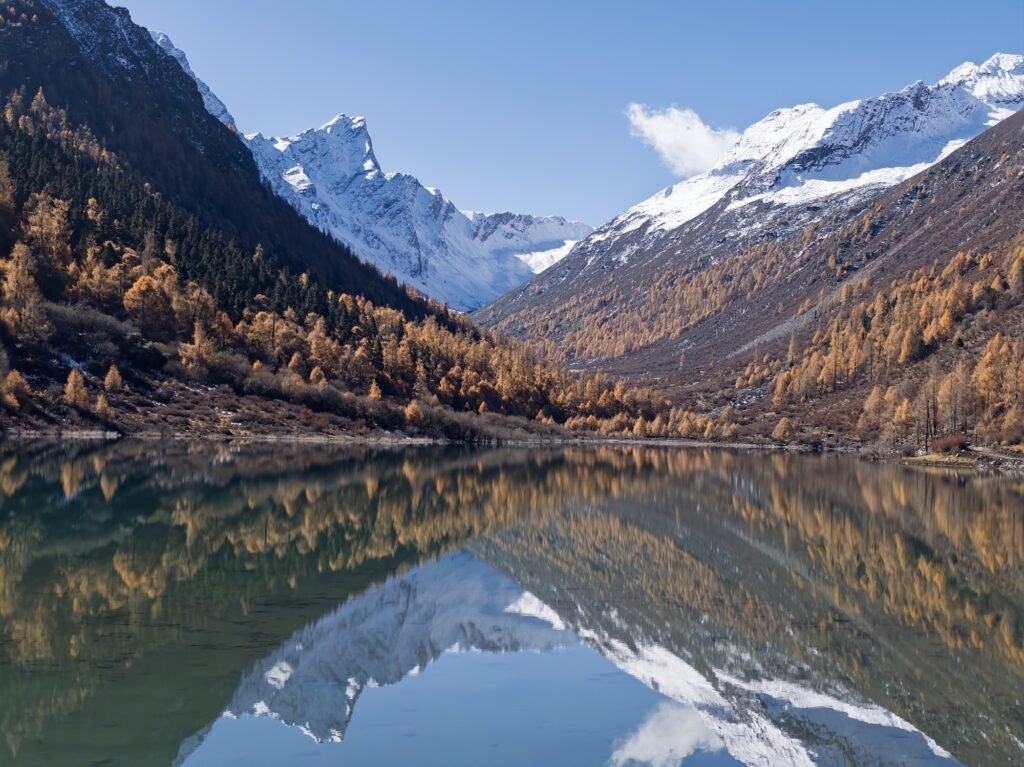
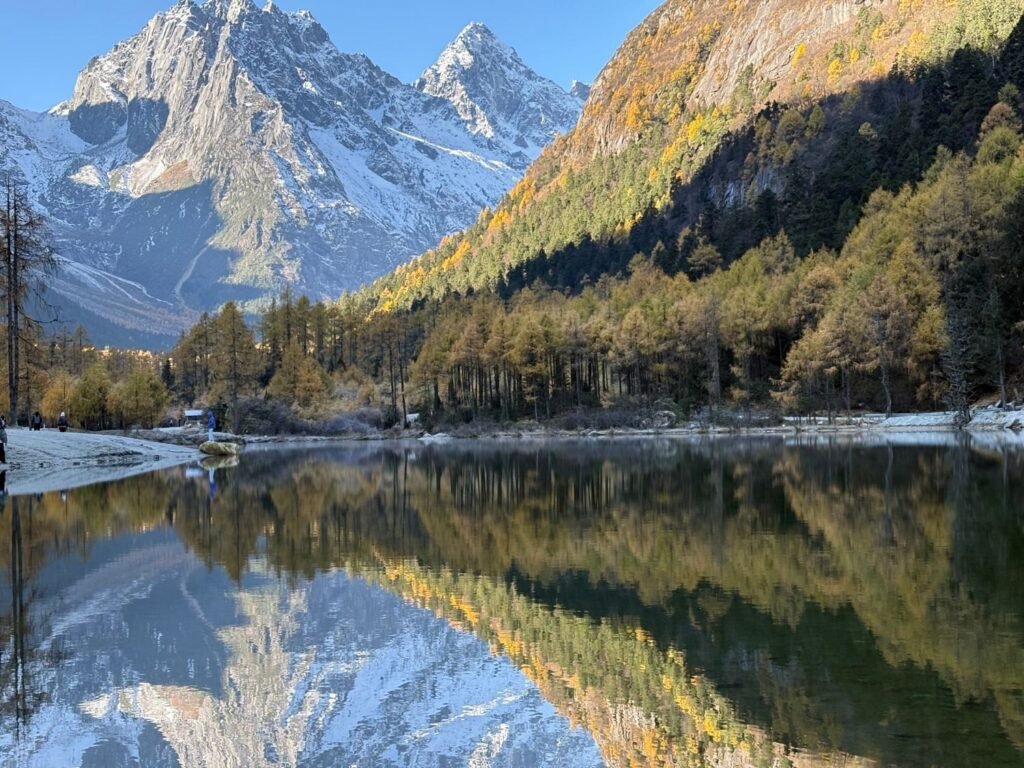
September and October are the best months in West Sichuan: dry, clear and golden, with autumn larches in the valleys and fresh snow on the peaks. May and June are green and quieter. July and August are the rainy season, when landslides can close mountain roads for hours or days. From November to March it is cold but often clear, with icy passes. Avoid the first week of October if you can: China’s National Day holiday fills the roads and the scenic areas.
How to get to West Sichuan
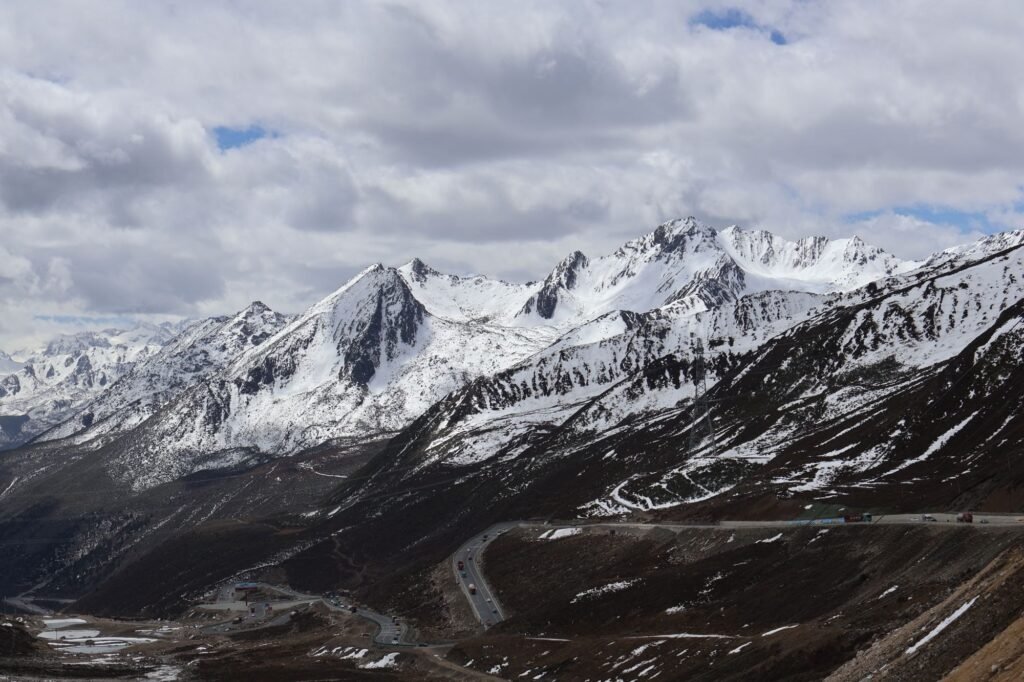
Chengdu is the starting point for almost every West Sichuan trip. Roads lead west through tunnels under the first mountain ranges: the Balang Mountain tunnel towards Siguniang, and the Erlang Mountain tunnel on the G318 towards Kangding. Long-distance buses run to Siguniangshan Town and Kangding, but beyond them most travelers use a hired car with a driver. Kangding and Daocheng Yading have airports with flights from Chengdu, which save long days on the road but drop you straight at altitude.
West Sichuan: questions people ask
Is West Sichuan the same as Tibet?
No. West Sichuan is part of Sichuan province. It is culturally Tibetan, but it is outside the Tibet Autonomous Region, so no Tibet Travel Permit is needed.
What does Chuanxi mean?
Chuanxi (川西) is Chinese for “west Sichuan”. Travelers use it for the mountain prefectures of Garze (Ganzi) and Aba (Ngawa), west of Chengdu.
How many days do you need for West Sichuan?
Allow 4 to 6 days for the small loop through Siguniang, Danba and Xinduqiao, and 7 to 12 days for the big loop that adds Litang and Daocheng Yading.
Can foreigners do the West Sichuan loops on their own?
Partly. The established scenic areas are usually fine, but several stops on the loops, such as Xinduqiao, Tagong and Litang, often turn back foreign travelers who come alone. Going with a licensed Chengdu agency that registers your itinerary is the reliable way to do them.
What is the best month to visit West Sichuan?
September and October, for clear skies and autumn colours. May and June are green and quieter. July and August are the rainy season, when landslides can close roads.
Hikes in West Sichuan
 Moderate
Sichuan · Siguniang Mountain
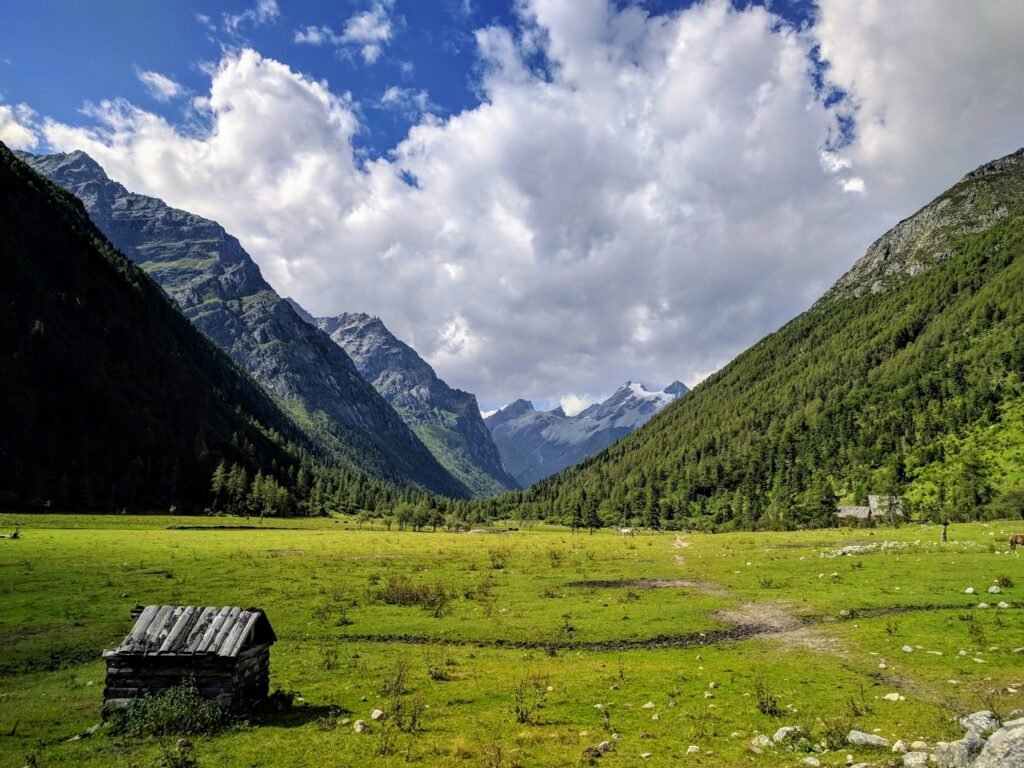
Siguniang Changping Valley
- Day hike
- 20 km
- Max 3,700 m
Usually open · Best May–Jun, Sep–Nov
 Hard
Sichuan · Siguniang Mountain
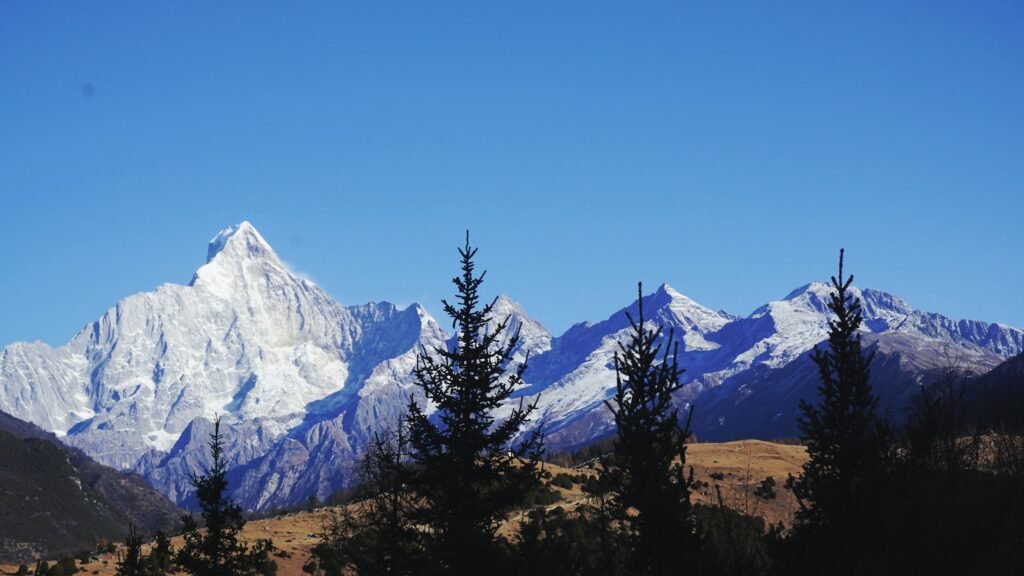
Siguniang Haizi Valley
- 1–2 days
- 30 km
- Max 3,700 m
Usually open · Best May–Jun, Sep–Oct
 Strenuous
Sichuan · Yading
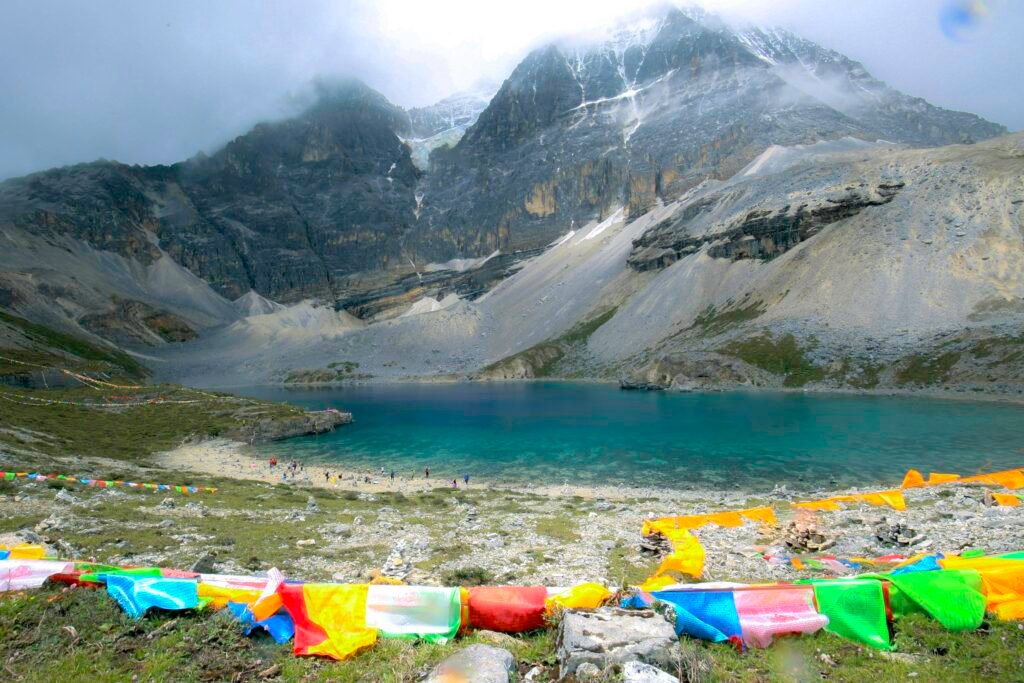
Yading: Milk Lake and Five-Color Lake
- Day hike
- 11 km
- Max 4,700 m
Usually open · Best May–Jun, Sep–Oct
Places in West Sichuan

Sichuan · West Sichuan
Tagong
- Via Kangding
A grassland village with a Tibetan monastery and wide views to Zhara (Yala) snow mountain. A good first stop to acclimatize.
Sichuan · West Sichuan
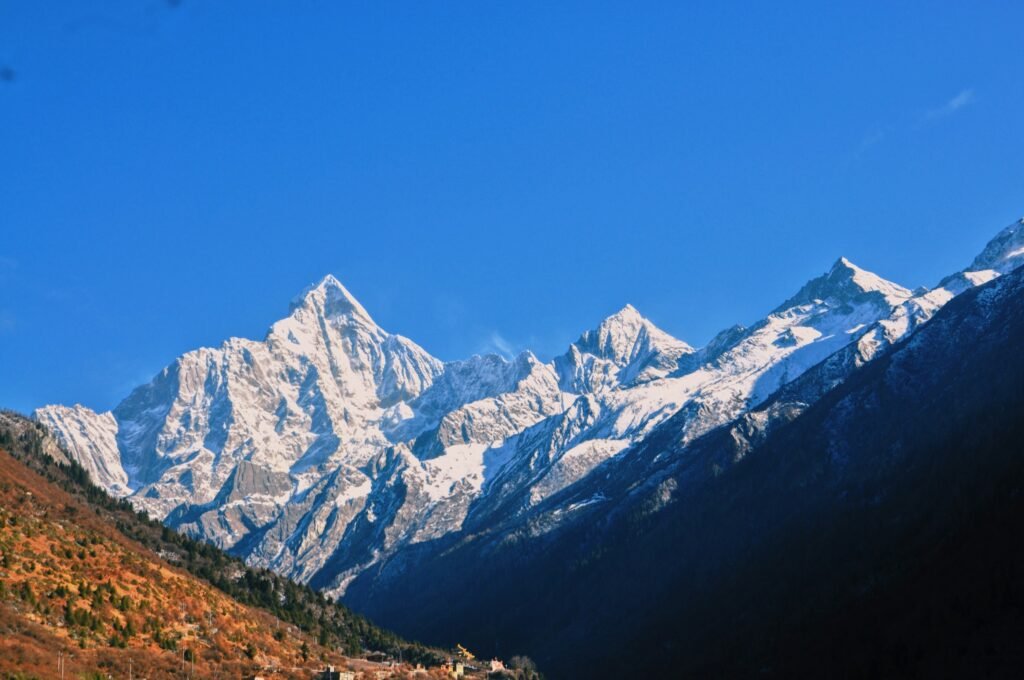
Siguniang Mountain
- Via Siguniangshan Town, 2–4 h from Chengdu
Four snow peaks above Siguniangshan Town, two to four hours from Chengdu, with three valleys to explore. Which one to pick depends on how much you want to walk.
Sichuan · West Sichuan
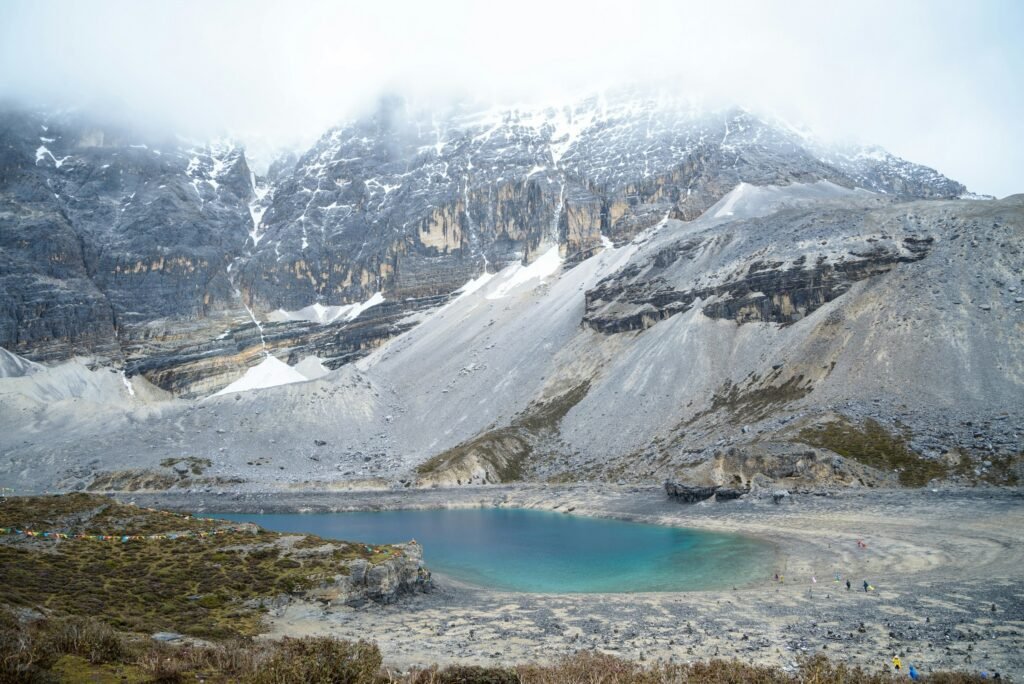
Yading
- Via Daocheng (Daocheng Yading Airport)
Three sacred snow peaks above glacial lakes in a nature reserve south of Daocheng. Short walks, very high altitude.