Plan your trip
Tibet without a permit: Tibetan areas foreigners can visit in China
To visit Tibet itself, foreigners need a Tibet Travel Permit, a licensed agency and a guide for the whole trip. But more Tibetan people live outside the Tibet Autonomous Region than inside it, in Sichuan, Yunnan, Qinghai and Gansu, and you can visit those areas with just your passport and China visa.
On this page
Why the Tibet Travel Permit is hard for foreigners
The Tibet Travel Permit is required for the Tibet Autonomous Region (TAR), which includes Lhasa, Everest Base Camp and Mount Kailash. Foreigners cannot apply for it themselves: a licensed agency applies for you, you travel on a fixed itinerary with a guide and a private vehicle, and some areas need extra permits on top. The TAR can also stop issuing permits to foreigners at short notice, most often around February and March. It is possible, but it is expensive, inflexible and impossible to do on your own.
Where to see Tibetan culture without a Tibet permit
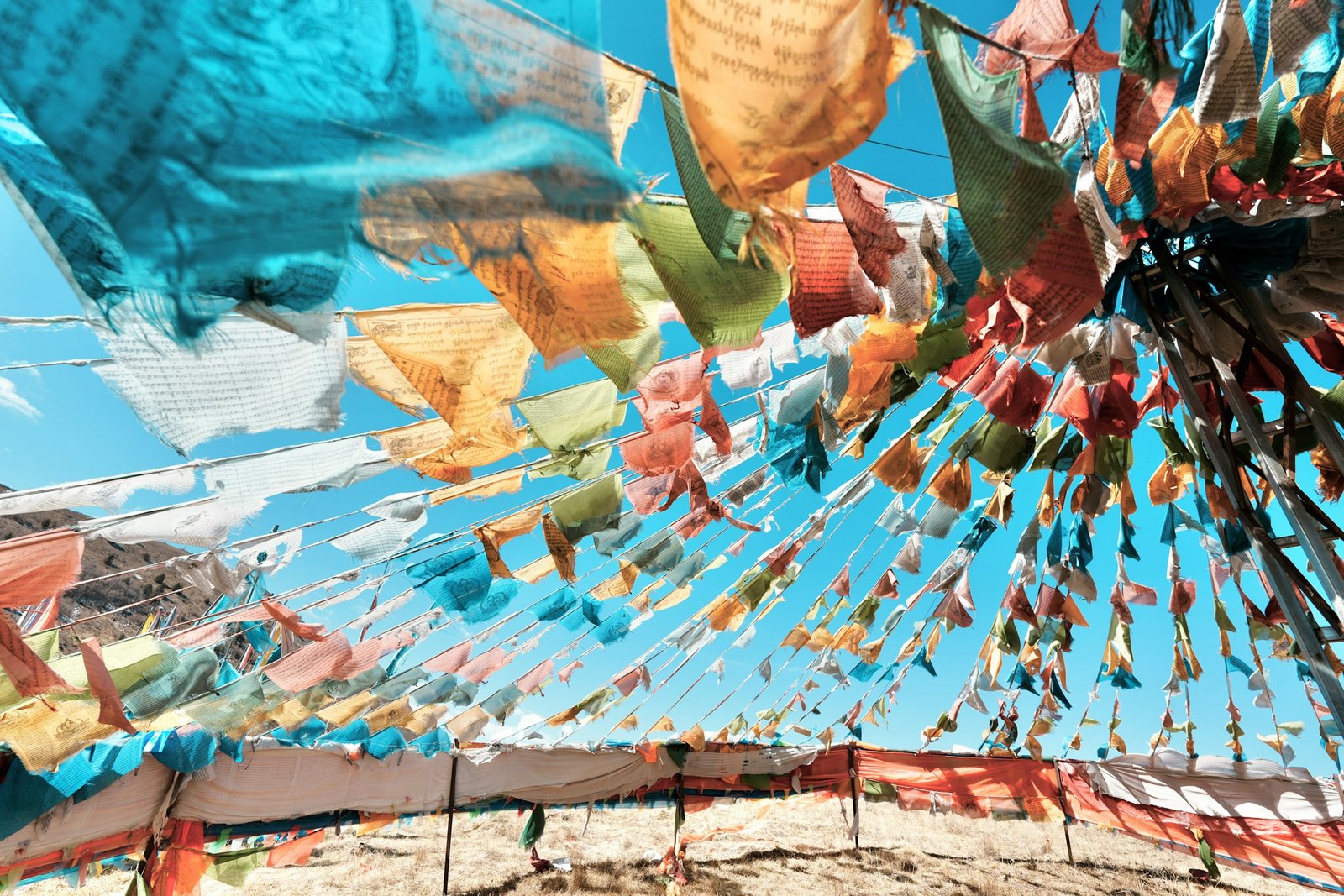
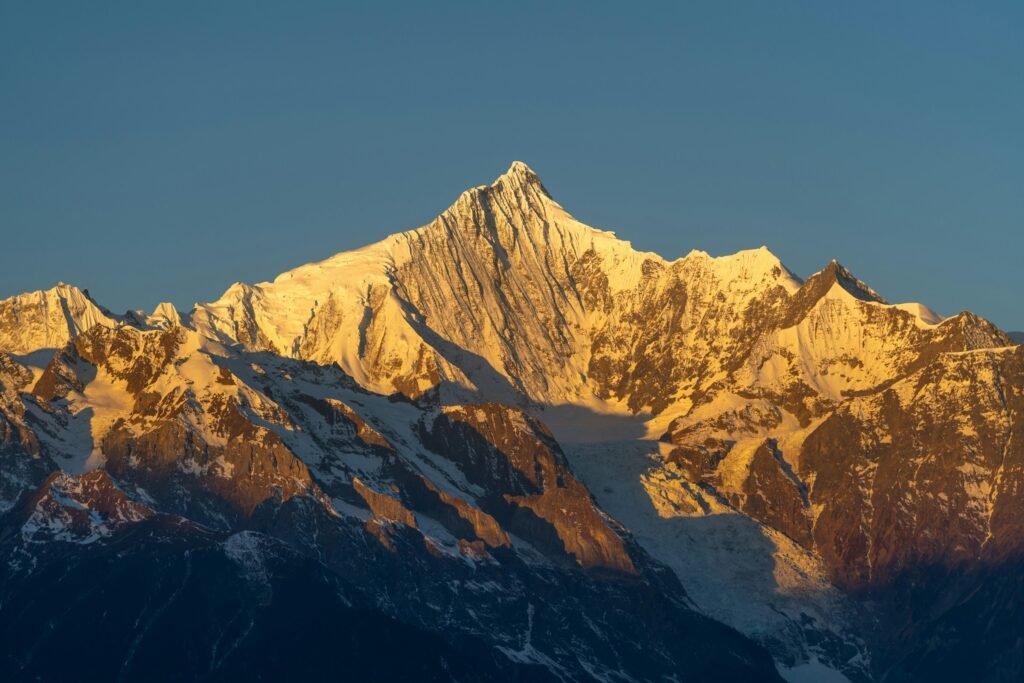
Historically, Tibet was much bigger than today’s Tibet Autonomous Region. Its eastern regions, Kham and Amdo, are now part of Sichuan, Yunnan, Qinghai and Gansu, and they are full of monasteries, prayer flags, yak herders and snow mountains. None of them needs the Tibet permit.
| Area | Province | What it is like | Access for foreigners |
|---|---|---|---|
| West Sichuan | Sichuan | High grassland, monastery towns and big snow peaks (Kham) | Usually open; checkpoints, and some spots turn back solo foreigners |
| Northwest Yunnan | Yunnan | Shangri-La, Meili Snow Mountain and Tibetan villages in deep gorges | Open; the easiest |
| Eastern Qinghai | Qinghai | Big monasteries, Qinghai Lake and open plateau (Amdo) | Usually open; can close at short notice |
| Southern Gansu | Gansu | Monastery towns on the grassland, such as Xiahe and Langmusi (Amdo) | Usually open; can close at short notice |
West Sichuan: Tibetan grassland without a Tibet permit
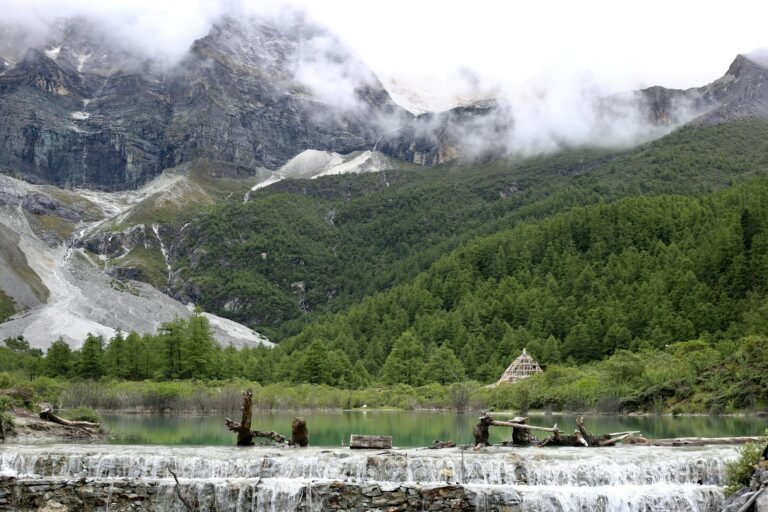
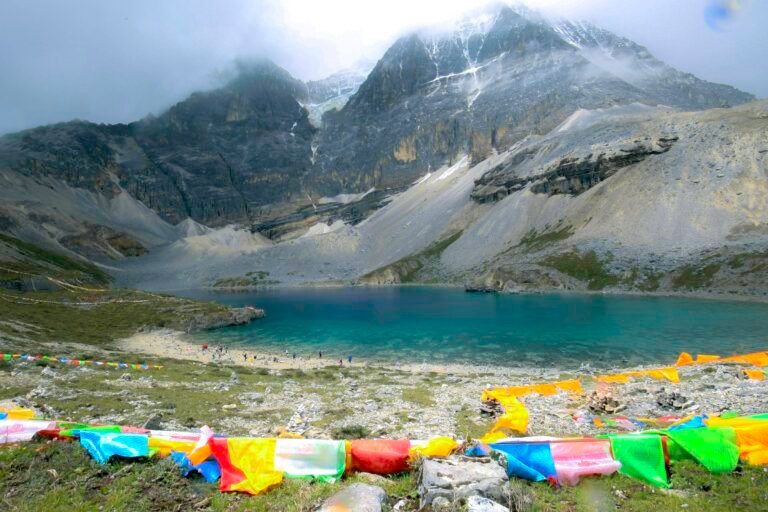
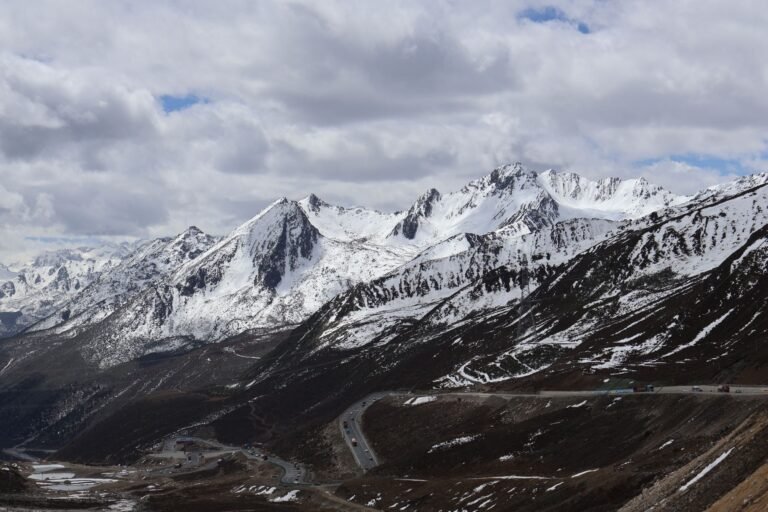
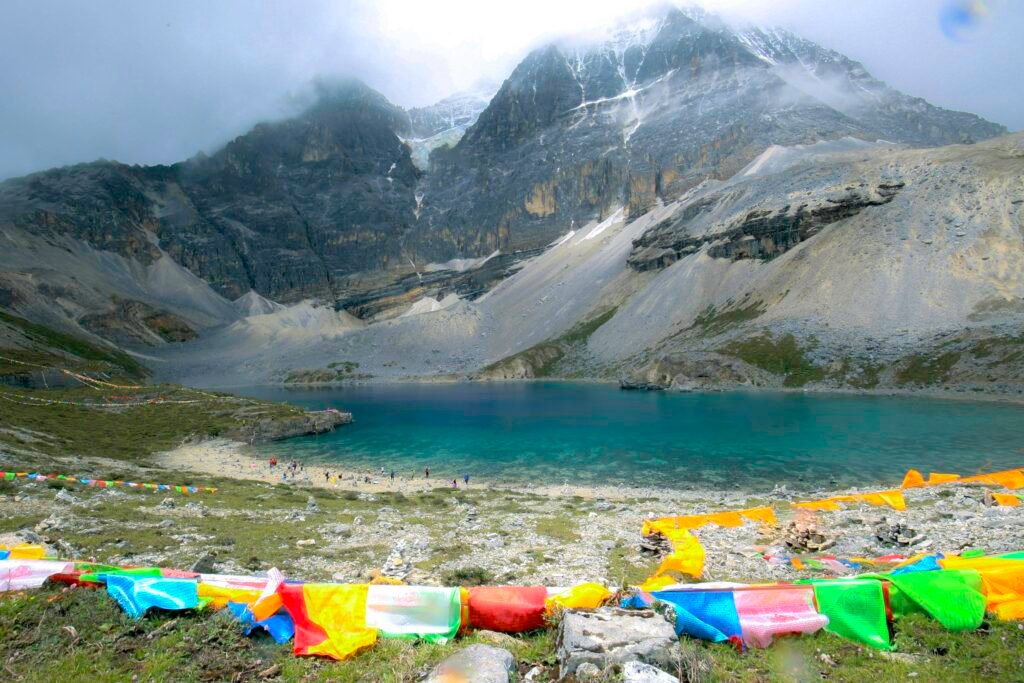
West Sichuan is the Tibetan area closest to Chengdu, and the one that looks most like the Tibet people imagine: monasteries on open grassland, prayer flags over 4,000 m (13,120 ft) passes, and yaks below snow peaks. Tagong has a monastery and grassland at about 3,700 m (12,140 ft), Litang is one of the highest towns in the world at around 4,000 m (13,120 ft), and Yading has three sacred snow mountains. No Tibet permit is needed, but road checkpoints check passports, and in places like Tagong, Xinduqiao and Litang foreigners travelling alone are often turned back. Going with a licensed Chengdu agency that registers your itinerary avoids that. Our West Sichuan guide covers the routes and the rules.
Northwest Yunnan: the easiest Tibetan area without a permit
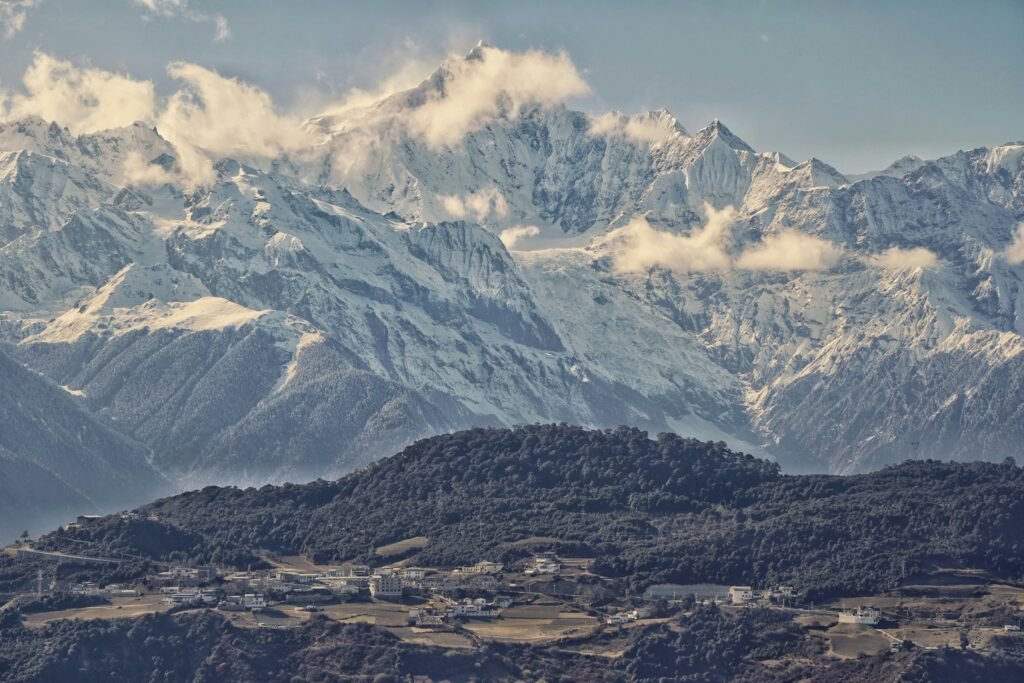
Northwest Yunnan is the simplest way to see Tibetan culture in China without a Tibet permit. Shangri-La, at about 3,200 m (10,500 ft), has a Tibetan old town and the large Ganden Sumtseling Monastery. Further north, Meili Snow Mountain rises to 6,740 m (22,110 ft) on the border with Tibet, and the village of Yubeng can only be reached on foot. Yunnan is open to foreigners with few checkpoints, and it links easily with Lijiang and Tiger Leaping Gorge, so the altitude climbs gradually as you go north.
Qinghai and Gansu: Amdo Tibetan areas without a permit
Qinghai and southern Gansu make up most of Amdo, the north-eastern Tibetan region, and need no Tibet permit. Highlights include Kumbum Monastery near Xining, Qinghai Lake at about 3,200 m (10,500 ft), the monastery town of Rebkong (Tongren), and in Gansu, Labrang Monastery in Xiahe and the twin monasteries of Langmusi. These areas close to foreigners from time to time, most often in March, and closures are rarely announced in English. Trailhead China doesn’t cover them yet.
What you can’t see outside the Tibet Autonomous Region
Be honest with yourself about what you want. Lhasa, the Potala Palace and the Jokhang Temple, the north side of Everest and the pilgrimage around Mount Kailash are all inside the Tibet Autonomous Region, and the only way to see them is with a Tibet permit and a tour. What you can get without the permit is the living culture, the monasteries, the plateau and the mountains, often with fewer tourists and more freedom to walk.
Rules for foreigners in Tibetan areas outside Tibet
- Carry your passport every day. Hotels register it and road checkpoints check it.
- Not every hotel can take foreign guests. In small towns, check before you book.
- Some places are closed to foreigners even outside the TAR. In West Sichuan these include Lenggacuo lake and Zimei Pass, and Larung Gar at Sêrtar, the famous monastic town, has been off-limits to foreign visitors for years.
- Closures happen at short notice, often around March and around sensitive dates. Check close to your trip.
- You can’t drive yourself: international driving permits are not valid in China. Hire a car with a local driver.
Our guide to where foreigners can and cannot go has the details, and the altitude guide explains how to pace a trip onto the plateau.
Want a tour or a local driver? We can recommend licensed agencies in Chengdu and local drivers. Trailhead China isn’t a company and doesn’t take bookings; we just point you to people we know. Write to us.
Tibet without a permit: Tibetan areas foreigners can visit in China: questions people ask
Can foreigners visit Tibetan areas without a Tibet permit?
Yes. The Tibet Travel Permit is only needed for the Tibet Autonomous Region. The Tibetan areas of Sichuan, Yunnan, Qinghai and Gansu need only your passport and a China visa or visa-free entry.
Is Shangri-La in Tibet?
No. Shangri-La is in Yunnan province, in the Diqing (Dêqên) Tibetan Autonomous Prefecture. It is culturally Tibetan, but it is outside the Tibet Autonomous Region, so no Tibet permit is needed.
Can I travel independently in Tibetan areas outside Tibet?
Mostly. You don’t have to join a tour. In Yunnan you can travel freely; in West Sichuan, checkpoints often turn back foreigners travelling alone in some areas, so having a licensed agency register your itinerary helps.
Which Tibetan area is easiest for a first trip?
Northwest Yunnan. Shangri-La, Meili Snow Mountain and Yubeng are open to foreigners, easy to reach from Lijiang, and have the fewest checkpoints.